
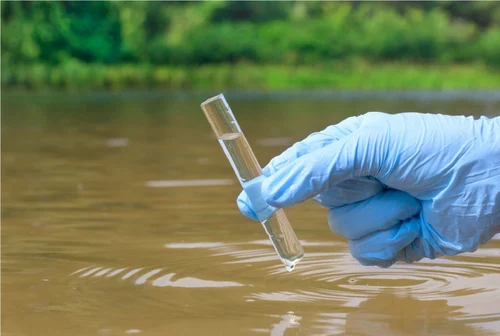
Water is one of those everyday essentials that quietly supports almost everything we do. We drink it without much thought, cook with it, shower in it, wash our clothes, and rely on it to keep countless appliances running. Because it’s always there, we often assume it’s doing exactly what it should. But water quality isn’t something you can always judge with your eyes.
Crystal-clear water can still contain minerals, sediments, or naturally occurring substances that affect taste, odor, plumbing, and long-term household maintenance. That’s why homeowners who truly want to understand their water don’t rely on guesswork—they begin with testing.
It might sound like a small step, but knowing what’s in your water often saves both money and frustration down the road.
Every Water Supply Has Its Own Story
Whether your home uses municipal water or a private well, the water arriving at your tap has traveled a long journey.
Groundwater passes through layers of soil and rock, collecting minerals along the way. Municipal water moves through treatment plants and miles of underground pipes before reaching individual homes. During that process, water can pick up naturally occurring minerals, chlorine, sediment, or other elements that influence how it tastes, smells, and performs.
Even neighbors living on the same street may experience slightly different water conditions depending on plumbing, location, and household systems.
That’s one reason why assumptions rarely lead to the right solution.
Why Appearance Can Be Misleading
Many people assume that if water looks clear, everything must be fine.
Unfortunately, that’s not always true.
Some water quality concerns have no visible signs at all. Others reveal themselves gradually through mineral buildup on fixtures, cloudy dishes, dry skin after showering, or unusual tastes that become more noticeable over time.
Because symptoms often overlap, it’s difficult to know exactly what’s causing the problem without proper testing.
Guessing can easily lead to purchasing equipment that solves the wrong issue—or doesn’t solve anything at all.
The Value of Professional Testing
A professional water analysis provides far more than a simple pass-or-fail result.
It measures important characteristics such as hardness, pH levels, iron, manganese, sediment, chlorine, sulfur, and other naturally occurring substances that influence household water quality. Depending on the water source, additional testing may also identify bacteria or other contaminants that require attention.
Instead of relying on opinions or internet advice, homeowners receive information based on actual measurements.
That creates a solid foundation for making smart decisions about filtration or treatment systems.
Better Water Improves Everyday Living
People often associate water treatment with drinking water alone.
In reality, water influences almost every daily routine.
You prepare meals with it, brew coffee, bathe your children, wash vegetables, clean dishes, and do laundry. When those everyday tasks involve cleaner water , the improvements often become surprisingly noticeable.
Coffee tastes richer. Glassware comes out clearer. Soap rinses away more easily. Laundry feels softer. Fixtures stay cleaner with less effort.
None of these changes feel dramatic by themselves, but together they create a home that’s simply more enjoyable to live in.
Every Home Needs a Different Solution
One of the biggest myths about water treatment is that every household needs the same equipment.
The truth is far more personal.
A family dealing with hard water has very different needs than one experiencing sulfur odors or elevated iron levels. Some homes benefit from carbon filtration, while others require water softeners, ultraviolet disinfection, reverse osmosis, or specialized filtration systems.
Choosing equipment without understanding the water often results in wasted money and disappointing performance.
Testing removes that uncertainty by identifying the exact issues that deserve attention.
Water Quality Affects More Than Taste
Many homeowners don’t realize how much water influences the lifespan of household equipment.
Mineral deposits gradually accumulate inside water heaters, dishwashers, washing machines, coffee makers, and plumbing fixtures. Over time, those deposits reduce efficiency and increase maintenance costs.
By addressing the underlying water conditions, homeowners often experience improved water quality while also helping appliances perform more efficiently for longer periods.
It’s one of those home improvements that quietly pays for itself over time.
Maintenance Still Matters
Installing a treatment system doesn’t mean forgetting about water quality altogether.
Filters need replacement according to manufacturer recommendations. Water softeners require occasional servicing. Certain systems benefit from periodic inspections to ensure they continue performing as expected.
Fortunately, modern equipment is designed to make maintenance relatively simple.
Spending a few minutes every few months keeps systems operating efficiently while protecting the investment you’ve already made.
Small routines usually prevent much larger problems later.
Thinking Beyond Today’s Water
Improving water quality isn’t only about solving an immediate problem.
It’s about protecting the future of your home.
Clean plumbing, efficient appliances, fewer mineral deposits, and dependable water all contribute to lower maintenance costs and greater household comfort over the years.
Perhaps even more importantly, understanding your water provides peace of mind. Instead of wondering whether strange tastes or stains are normal, you know exactly what you’re dealing with.
That confidence becomes valuable every single day.
Small Changes Add Up
Sometimes homeowners expect water treatment to create one dramatic transformation overnight.
The reality is usually more subtle—and in many ways, even better.
You notice cleaner sinks. Softer laundry. Better-tasting drinking water. Less scrubbing around faucets. A water heater that performs more efficiently. Coffee that tastes just a little richer.
Individually, these improvements seem small.
Collectively, they make your home feel noticeably more comfortable without requiring major lifestyle changes.
That’s often what makes water quality improvements so satisfying.
Final Thoughts
Water is involved in nearly every routine inside your home, yet it’s surprisingly easy to overlook until something begins to change. Rather than waiting for stains, odors, or appliance problems to appear, taking the time to understand your water through professional testing puts you in control.
Armed with accurate information, you can choose treatment options that genuinely fit your home’s needs instead of relying on trial and error. Whether your goal is better-tasting drinking water, protecting your plumbing, or simply making everyday life a little easier, the journey starts with knowing what’s flowing through your pipes.
In the end, investing in your home’s water isn’t just about filtration or equipment. It’s about creating a healthier, more efficient living environment where every glass of water, every shower, and every household task benefits from quality you can trust for years to come.