
Finding Water You Can Trust at Home—Whether It Comes From a Well or the City
Water has this quiet way of blending into life. You don’t think about it much—until something feels off. A faint smell, a strange aftertaste, maybe even a little cloudiness in your glass. Nothing dramatic, but enough to make you pause.
And once that thought creeps in—is my water really as clean as I think?—it’s hard to ignore.
The interesting part? Not all water problems come from the same place. Some homes rely on wells, others on municipal supply. And while both have their strengths, they come with their own quirks too.
Two Sources, Two Different Stories
Let’s start with the basics. Well water and city water might look the same when they come out of your tap, but behind the scenes, they’re very different.
Well water comes straight from the ground. It’s natural, untreated, and often rich in minerals. That sounds great—and sometimes it is—but it can also carry iron, sulfur, or even bacteria depending on the area.
City water, on the other hand, is treated before it reaches your home. It’s disinfected, filtered, and monitored. But that doesn’t mean it’s perfect. Chlorine, aging pipes, and other factors can still affect taste and quality.
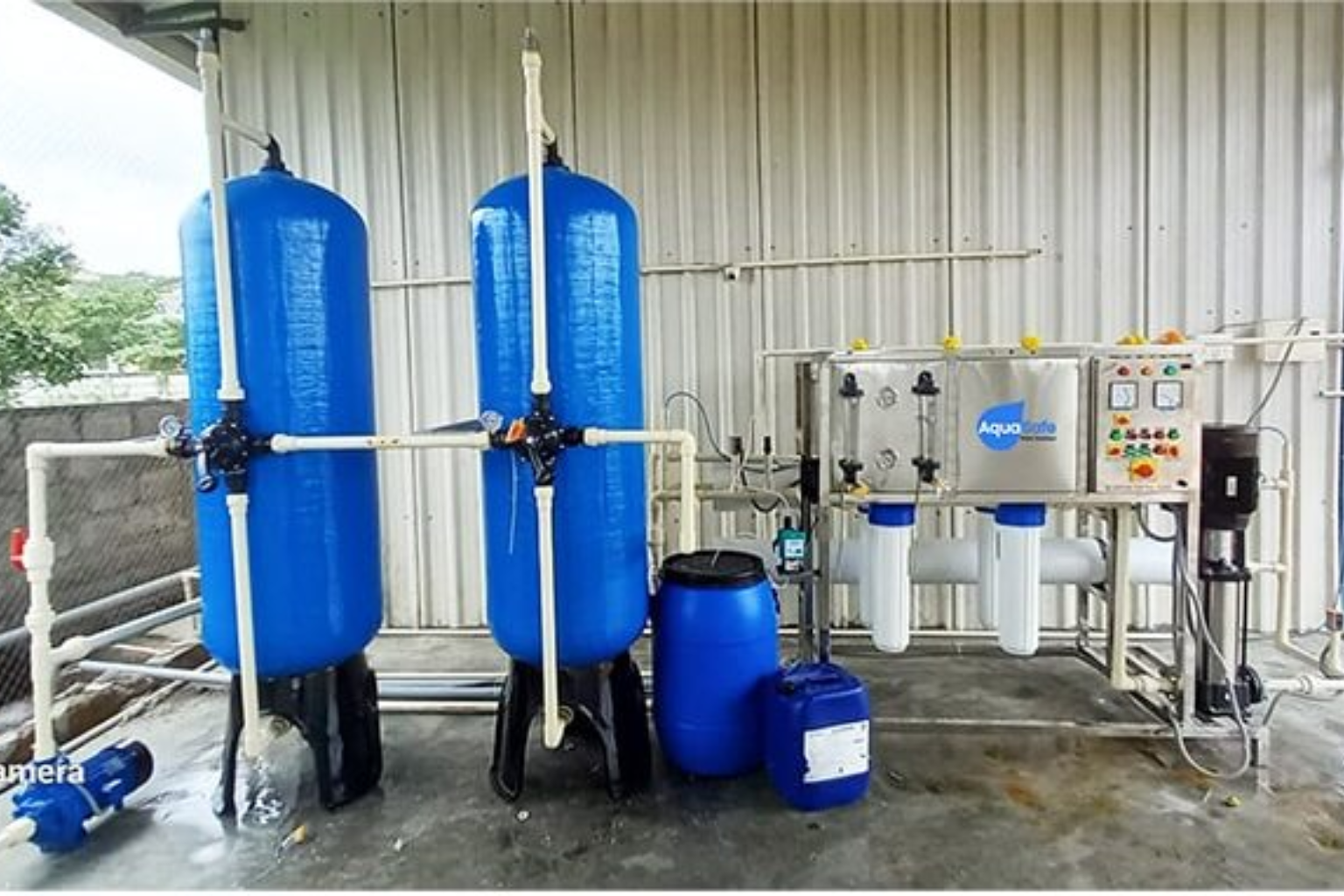
That’s why well & city water filtration isn’t a one-size-fits-all conversation. The approach depends on where your water comes from—and what’s happening along the way.
The Subtle Clues Your Water Leaves Behind
Most water issues don’t announce themselves loudly. They show up in small ways.
A metallic taste in your tea. A faint smell when you turn on the tap after a few hours. Stains in your sink that seem to come back no matter how often you clean.
These aren’t emergencies. They’re clues.
And while it’s easy to ignore them, they often point to something deeper—something worth understanding before it becomes more noticeable.
What Filtration Really Does (Beyond the Basics)
When people hear “filtration,” they often think of a simple fix. A filter that makes water cleaner. And yes, that’s part of it.
But good filtration goes a bit further. It’s not just about removing visible particles—it’s about improving how water behaves overall.
That includes taste, smell, clarity, and even how it interacts with your skin, your appliances, and your daily routine.
This is where contaminant reduction solutions come into play. It’s not about chasing perfection—it’s about addressing the specific things that are affecting your water right now.
Sometimes that’s chlorine. Sometimes it’s sediment. Sometimes it’s something less obvious.
The goal is simple: make your water feel right again.
How Better Water Changes Everyday Life
What’s surprising is how much water quality affects things you don’t immediately connect to it.
Take your morning routine. Brushing your teeth, washing your face, making coffee—it all depends on water. And when water improves, those small moments feel different.
Cooking becomes more consistent. Cleaning feels easier. Even your bathroom surfaces stay cleaner longer.
It’s not a dramatic transformation. It’s a series of small improvements that make your day run more smoothly.
Understanding Before You Upgrade
One of the biggest mistakes people make is jumping straight to solutions without fully understanding the problem.
It’s tempting. You notice something off, and you want to fix it quickly.
But water is complex. What works for one home might not work for another. And without knowing what you’re dealing with, it’s easy to choose something that doesn’t fully solve the issue.
Taking a little time to understand your water—where it comes from, what it carries, how it behaves—can make all the difference.
Because once you know that, the right solution becomes much clearer.
Keeping It Practical (Because It Should Be)
Improving your water doesn’t have to be complicated.
You don’t need the most advanced system on the market. You don’t need to understand every technical detail.
What you need is something that fits your home, your usage, and your expectations.
Something that works quietly in the background, without demanding constant attention.
Because at the end of the day, water should make life easier—not more complicated.
A Change You’ll Feel Over Time
Here’s the interesting part—better water doesn’t hit you all at once.
It builds.
You start noticing fewer spots on your glassware. Your water tastes cleaner. Your skin feels a bit more comfortable after a shower.
And over time, those small changes add up.
Until one day, you realize you haven’t thought about your water in a while.
And that’s usually a good sign.
In the End, It’s About Trust
Water is something we rely on constantly, often without thinking.
But when it doesn’t feel right, that trust starts to fade.
Improving your water isn’t just about fixing a problem—it’s about restoring that sense of confidence. Knowing that when you turn on the tap, what comes out is clean, balanced, and reliable.
And once you reach that point, everything else feels just a little easier.