
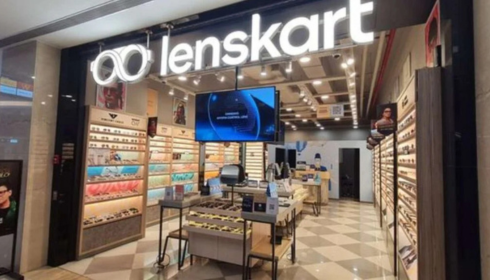
Lenskart Franchise Guide: How to Start and Apply Successfully
In today’s fast-growing eyewear market, investing in a franchise can be a smart move, especially when it comes to a trusted brand like Lenskart. With its strong online presence and expanding offline retail network, Lenskart has become a leading name in India’s optical industry. If you are looking to start your own business with a reputed brand, understanding how the lenskart com franchise model works can help you make an informed decision.
Why Choose a Lenskart Franchise?
Lenskart has revolutionized the eyewear segment by combining technology with retail convenience. Founded by Peyush Bansal, the company offers affordable and stylish eyewear with a strong customer base across India.
One of the main reasons entrepreneurs prefer Lenskart is its proven business model. The brand provides complete support, including store setup, inventory management, staff training, and marketing. This reduces the risks usually associated with starting a new business from scratch.
Moreover, with the increasing demand for eyewear due to digital screen usage, the optical market continues to grow steadily. This makes a Lenskart franchise a future-proof investment opportunity.
Types of Lenskart Franchise Models
Lenskart offers two main franchise models to suit different investment capacities:
1. Franchise-Owned Franchise-Operated (FOFO)
In this model, the franchise owner invests in the store while Lenskart manages daily operations. This is ideal for investors who prefer a hands-off approach.
2. Franchise-Owned Company-Operated (FOCO)
Here, the owner invests and also participates in managing the business with guidance from Lenskart. This model suits those who want active involvement.
Both options provide flexibility depending on your business goals and experience level.
Investment and Requirements
To start a Lenskart franchise, you need a moderate investment, typically ranging from ₹20 lakh to ₹35 lakh depending on location and store size. The brand also has certain requirements:
- A retail space of 300–500 sq. ft. in a prime location
- Basic understanding of retail business
- Willingness to follow brand guidelines
- Strong customer service approach
Lenskart ensures that franchise partners receive support in site selection and store design, making the process smoother.
Application Process Explained
If you are ready to begin your journey, the next step is to understand the lenskart franchise apply process.
First, visit the official Lenskart website and navigate to the franchise section. You’ll need to fill out an application form with details such as your location, investment capacity, and business background.
After submission, the company reviews your application and may contact you for further discussions. Once approved, you’ll receive guidance on store setup, agreements, and operational training.
The entire process is streamlined, ensuring that new partners can launch their stores efficiently without unnecessary delays.
Benefits of Owning a Lenskart Store
Owning a Lenskart franchise comes with several advantages:
- Established brand recognition
- High demand for products
- Strong online-to-offline integration
- Continuous marketing support
- Access to advanced eye-testing technology
Additionally, Lenskart’s omnichannel strategy allows customers to browse online and purchase in-store, increasing footfall and sales opportunities.
Challenges to Consider
While the franchise model is promising, it’s important to be aware of potential challenges. Retail competition, location selection, and operational efficiency play a crucial role in success. Ensuring excellent customer service and maintaining brand standards are key factors that directly impact profitability.
However, with Lenskart’s support system and established processes, most of these challenges can be managed effectively.
Final Thoughts
Starting a Lenskart franchise is a great opportunity for aspiring entrepreneurs who want to enter the retail sector with a trusted brand. With growing demand for eyewear and strong brand support, it offers both stability and scalability.