
Designing a Bathroom That Grows With You
There’s something deeply personal about a bathroom. It’s not a space we show off to guests the way we do a living room or kitchen. It’s quieter than that. It’s where you start your day half-awake, where you wash off stress, where you stare at your reflection and sometimes think a little too much.
Because of that, bathrooms deserve more intention than they often get. Not just pretty tile or trendy faucets, but thoughtful design choices that make daily life easier — and, ideally, more comfortable.
If you’ve ever stepped into your bathroom and felt like it’s just not working anymore, you’re not imagining it. Our needs change. Our routines shift. And the space should adapt with us.
The Subtle Power of Reflection
Let’s start with something simple: mirrors.
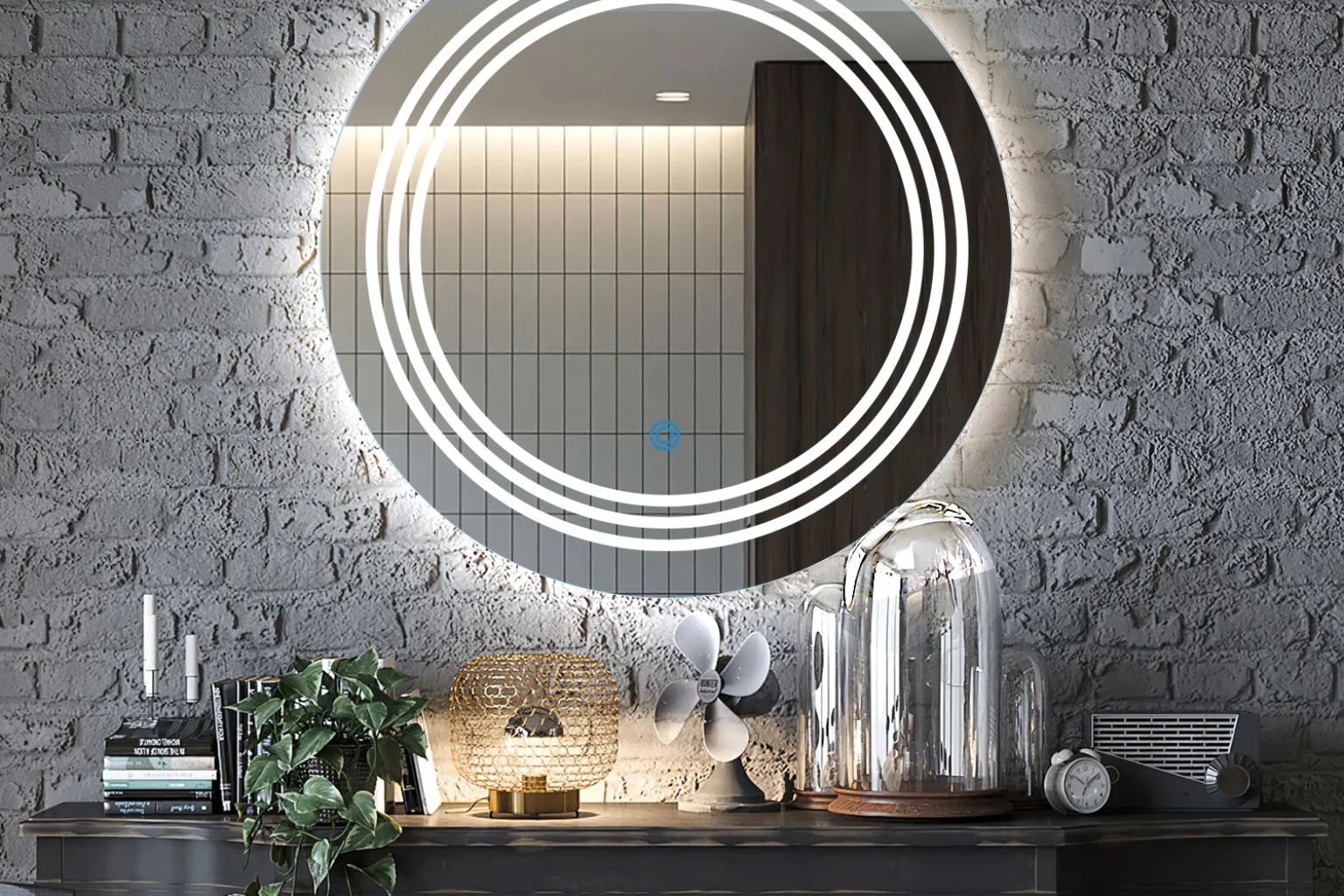
They’re functional, sure. But they also shape how a bathroom feels. Oversized mirrors can make small spaces appear larger. Framed mirrors add warmth. Backlit options soften harsh shadows.
Thoughtful lighting and mirrors work together. A single overhead fixture rarely does the job well. It creates glare, throws shadows under your eyes, and feels a bit… clinical.
Layered lighting — wall sconces at eye level, soft ambient ceiling lights, maybe even dimmers — changes everything. It turns rushed mornings into smoother routines and late evenings into calm wind-down moments.
Natural light is even better, if you have it. But even without windows, the right mirror placement can amplify brightness.
Small shift. Big difference.
Where Does Everything Go?
Bathrooms collect clutter quickly. Toothbrushes, skincare, towels, hair tools. It piles up before you even notice.
That’s why smart storage solutions are less about aesthetics and more about sanity.
Floating vanities create an airy feel while hiding everyday essentials. Recessed medicine cabinets keep counters clear. Built-in shower niches eliminate the precarious balancing act of shampoo bottles.
And here’s something people don’t always admit — when storage works well, stress drops. You’re not scrambling to find things. You’re not annoyed by messy surfaces.
Even small additions, like drawer organizers or over-the-toilet shelving, can change how the room functions.
Storage doesn’t need to be dramatic. It just needs to make sense.
Thinking Long-Term
There’s another layer to bathroom design that’s becoming more important — planning for comfort not just now, but years down the line.
That’s where accessibility updates come into play.
They don’t have to scream “medical.” In fact, the best ones don’t.
Curbless showers create seamless transitions and look modern. Wider doorways improve flow and future-proof the space. Grab bars can be integrated stylishly, blending into towel racks or design features.
Comfort-height toilets and adjustable showerheads aren’t flashy, but they make daily routines easier for everyone — kids, adults, and older family members alike.
Designing with accessibility in mind isn’t about age. It’s about practicality and dignity.
And honestly? It’s smart planning.
Comfort Is More Than Looks
Bathrooms are often judged by appearance. Marble countertops. Designer tile. Statement fixtures.
But comfort matters just as much.
Heated floors in colder climates can feel luxurious in the best way. Soft-close drawers prevent early-morning noise. Proper ventilation keeps humidity from turning into long-term damage.
You don’t need every upgrade. But selecting the ones that genuinely improve your routine makes a difference.
The goal isn’t perfection. It’s ease.
Balancing Budget and Impact
Bathroom renovations can range from modest refreshes to full-scale remodels.
If you’re working within a tight budget, prioritize what impacts daily life most. Improved lighting often offers immediate improvement. Updated storage can solve persistent frustrations. Simple accessibility adjustments might provide peace of mind.
Phased updates are perfectly valid. Start small. Evaluate what works. Build from there.
Renovation doesn’t have to be all-or-nothing.
Living Through the Changes
Even minor bathroom projects come with disruption. Water might be shut off temporarily. Dust travels further than expected. The room may look worse before it looks better.
Preparing for inconvenience helps. Set up temporary alternatives. Communicate clearly with contractors. Keep essentials within reach.
Remind yourself that short-term inconvenience leads to long-term comfort.
Personal Touches Matter
Beyond functionality, bathrooms should feel personal.
Add artwork. A small plant. Towels in colors you genuinely love. A textured rug that feels good under bare feet.
Details don’t have to be expensive to be meaningful.
They just have to feel like you.
Final Thoughts: A Space That Supports You
Bathrooms aren’t glamorous rooms. But they’re intimate ones.
When lighting flatters instead of frustrates, when storage simplifies instead of overwhelms, when accessibility feels natural rather than intrusive — the entire experience shifts.
It’s no longer just a room you pass through.
It becomes a space that supports you quietly, every single day.
And in the end, that’s what thoughtful design is really about.