
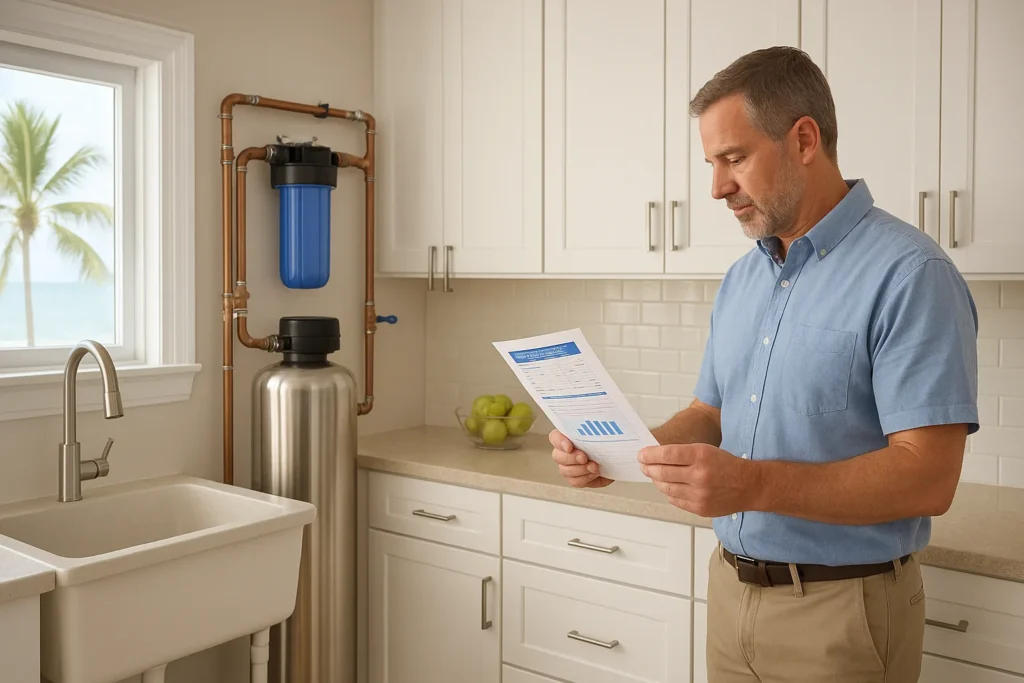
For many homeowners, having a private well feels like a kind of freedom. There’s no municipal water bill, no dependence on a city supply, and often a strong sense of connection to the land. But well ownership also comes with responsibility. Unlike public water systems, private wells are generally not monitored in the same way, which means homeowners need to take an active role in understanding and maintaining their water quality.
Well water can look perfectly clear and still contain bacteria, minerals, metals, or other substances that affect its safety, taste, and performance. That doesn’t mean every well is problematic. It simply means regular attention is worthwhile. With proper testing and the right treatment equipment, homeowners can protect their families, plumbing, and long-term investment in their property.
Why Well Water Needs Regular Attention
Groundwater travels through soil, rock, and underground formations before reaching a well. During that journey, it can collect naturally occurring minerals and other substances. Agricultural activity, nearby septic systems, flooding, construction, and changes in groundwater conditions may also influence water quality.
Some problems are easy to notice. A rotten-egg smell may suggest hydrogen sulfide, while orange or reddish stains can be associated with iron. Cloudiness may indicate sediment or air in the water. Other concerns, including certain bacteria or dissolved contaminants, may not create any visible or noticeable change.
That’s why appearance and taste alone are not reliable indicators of safety. Water can taste fine and still require attention. Regular testing provides a much clearer understanding of what is happening below the surface.
The Value of a Professional Water Test
A professional water test can identify important characteristics of a private water supply and help determine whether treatment is needed. Depending on the property and local recommendations, testing may include bacteria, pH, hardness, iron, manganese, nitrates, sulfur, total dissolved solids, and other potential contaminants.
Testing is especially important when purchasing a home with a private well, after flooding, following well repairs, or when the water develops a sudden change in color, taste, or odor. Families with infants, older adults, or people with certain health vulnerabilities may also want to discuss additional testing with a qualified professional.
The most useful part of testing is not simply receiving a report. It’s understanding what the results mean. A high hardness reading, for example, may point toward a softening solution, while bacteria may require disinfection rather than ordinary filtration. The treatment should follow the problem, not the other way around.
When an UV Purifier Can Help
One of the major concerns with well water is microbial contamination. Bacteria, viruses, and other microorganisms can enter groundwater through various pathways, particularly when a well is poorly sealed, damaged, or located near a contamination source.
An uv purifier for well water uses ultraviolet light to inactivate many microorganisms as water passes through the treatment chamber. Unlike chemical disinfection, UV treatment does not add a disinfectant to the water. It is often used as part of a broader well-water treatment system.
However, UV systems work best when the water entering the unit is relatively clear. Sediment, iron, manganese, and other particles can interfere with UV performance by blocking or scattering the light. For this reason, a UV purifier may need to be paired with pre-filtration or other treatment equipment.
UV systems also require electricity, proper flow conditions, lamp replacement, and routine cleaning. A warning light or monitoring feature can be valuable because it helps homeowners know when the system needs attention. Installation should be based on water test results and the manufacturer’s specifications.
UV Treatment Is Not a Universal Solution
It’s easy to assume that one advanced device can solve every well-water problem, but water treatment rarely works that way. UV technology is primarily intended to address microorganisms. It does not generally remove hardness, dissolved metals, salts, chemical contaminants, or unpleasant odors.
If a well has high iron, for example, an iron filtration system may be needed. If the water contains excessive hardness, a softener may be more appropriate. If the issue is sediment, a properly sized sediment filter could be an important first step.
Some homes require several treatment stages. A typical system might include a sediment filter, iron or sulfur treatment, a water softener, activated carbon, and UV disinfection. The exact combination depends on the water chemistry and the homeowner’s goals.
The important thing is to avoid buying equipment based solely on broad promises. A treatment system should be selected because it is designed to address a documented water-quality concern.
The Importance of Pre-Filtration
Pre-filtration is often an essential part of a well-water UV setup. Water that contains suspended particles may reduce the effectiveness of ultraviolet treatment. Even when the UV lamp is operating correctly, the light may not reach microorganisms if the water is too cloudy.
A sediment filter can capture sand, silt, rust, and other physical particles. Depending on the water conditions, additional filtration may be necessary to reduce iron, manganese, or other substances that affect clarity.
Filters must also be maintained. A clogged filter can restrict water flow, reduce system performance, and place unnecessary strain on plumbing. Homeowners should understand the filter replacement schedule and keep replacement cartridges available rather than waiting until the water pressure drops noticeably.
Choosing the Right Water Treatment Professional
Selecting a reliable water treatment company is just as important as selecting the equipment itself. Well-water treatment involves more than installing a tank or connecting a filter. The installer should understand water testing, flow rates, pressure requirements, treatment limitations, maintenance needs, and local conditions.
Before hiring a company, ask whether it provides water testing, explains results clearly, offers written recommendations, and services the systems it installs. It’s also worth asking about warranties, replacement parts, emergency support, and long-term maintenance costs.
Be cautious of companies that recommend expensive equipment before reviewing water test results. A trustworthy professional should be able to explain why a particular system is needed and what it can realistically accomplish.
Keep Your Well and Treatment System Maintained
Water treatment equipment cannot compensate for a neglected well. Homeowners should inspect the well cap, keep the surrounding area clear of potential contamination sources, and follow recommended well-maintenance practices. Septic systems should also be maintained properly, especially when located near the well.
Treatment systems need attention too. UV lamps typically require annual replacement, even if the lamp still appears to be working. Quartz sleeves may need cleaning, filters need changing, and sensors or alarms should be checked regularly.
Keeping records of testing, maintenance, repairs, and filter changes can make the entire process easier. It also helps identify patterns if water quality changes later.
A Practical Investment in Peace of Mind
Private well water can be dependable and refreshing, but it deserves regular care. Testing helps reveal problems that cannot be seen, while properly selected treatment equipment can address concerns ranging from microorganisms to minerals and sediment.
For homeowners considering UV purification, the best approach is to test the water first, understand what the results mean, and install a system that matches the actual conditions of the well. With suitable pre-filtration, routine maintenance, and professional guidance, a UV system can become an important part of a reliable water-treatment plan.
Clean, dependable well water isn’t achieved through guesswork. It comes from informed decisions, consistent maintenance, and a willingness to treat the water according to its real needs.