
The Systems Behind the Scenes: How Smart Water Infrastructure Keeps Businesses Running Smoothly
Most people don’t walk into a business thinking about water. They notice the décor, the layout, the energy of the space — all the visible things that create an immediate impression. But behind every successful workplace, there’s an entire network operating quietly out of sight.
Water systems.
They support everything from sanitation and cooling to production and employee comfort. And while customers may never think about them, these systems play a crucial role in keeping daily operations stable and efficient.
It’s one of those truths about infrastructure: when everything works perfectly, no one notices. But when something fails, the disruption becomes impossible to ignore.
Why Reliable Water Flow Matters More Than You Think
Consistent water pressure is often taken for granted in commercial environments. Employees expect sinks to work smoothly, equipment to function reliably, and sanitation processes to remain uninterrupted.
But maintaining steady water pressure across large facilities isn’t always simple. High demand, multiple usage points, and varying operational requirements can strain even well-designed systems.
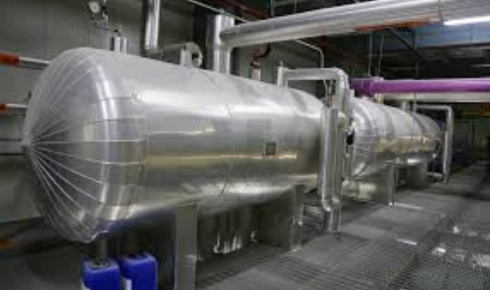
That’s where pressure storage solutions come into play. These systems store water under controlled pressure, ensuring consistent flow even during peak usage periods. They also help reduce strain on pumps, extending equipment lifespan and improving energy efficiency.
For businesses that rely heavily on water — like hotels, manufacturing plants, or healthcare centers — stable pressure isn’t just a convenience. It’s a necessity for maintaining smooth operations.
And when the system works properly, employees rarely think about it at all.
The Complexity of Large-Scale Water Infrastructure
Commercial environments often require water systems that are far more advanced than residential setups. Multiple floors, high usage rates, and specialized equipment all create unique challenges.
Installing and maintaining these networks requires careful planning and technical expertise. That’s why commercial installations are typically designed with scalability, reliability, and safety in mind.
Engineers must consider factors such as demand patterns, backup capacity, and future expansion needs. Proper installation ensures that systems remain efficient even as operational requirements evolve.
Poorly designed installations, on the other hand, can lead to frequent breakdowns, inconsistent water quality, and increased maintenance costs.
In many ways, infrastructure decisions made during installation can influence operational stability for years to come.
Protecting Health Through Water Quality Management
Beyond pressure and distribution, water safety remains a top priority for commercial organizations. Businesses must ensure that water used for drinking, sanitation, and production meets strict quality standards.
This is where comprehensive water safety solutions become essential. These may include advanced filtration systems, regular quality monitoring, and contamination prevention measures.
Industries like food service and healthcare rely heavily on these systems to protect both employees and customers. Even minor lapses in water safety can have serious consequences — from health risks to regulatory penalties.
Maintaining safe water conditions isn’t just about compliance. It’s about building trust.
When customers feel confident in a business’s hygiene standards, they’re more likely to return.
The Human Impact of Reliable Infrastructure
While infrastructure is often discussed in technical terms, its impact is deeply human.
Employees depend on reliable water systems for daily comfort — washing hands, preparing food, cleaning workspaces. When systems function smoothly, these tasks feel effortless.
But when problems arise — weak pressure, contamination concerns, or equipment failures — they can disrupt routines and create stress.
Reliable infrastructure supports not only operational efficiency but also employee well-being. It helps create a stable environment where people can focus on their work rather than worrying about basic necessities.
And that stability often translates into higher productivity and job satisfaction.
Prevention as the Foundation of Operational Stability
One of the most effective strategies for maintaining commercial water systems is preventive maintenance. Waiting until issues become visible often leads to costly disruptions and emergency repairs.
Regular inspections, performance monitoring, and timely upgrades help ensure systems remain reliable over time.
Preventive care also allows businesses to plan improvements strategically, reducing the risk of unexpected downtime.
For organizations that rely heavily on water infrastructure, this proactive approach often proves far more cost-effective than reactive repairs.
Because in commercial environments, reliability isn’t just beneficial — it’s essential.
Small Improvements With Long-Term Benefits
Enhancing water infrastructure doesn’t always require major overhauls. Often, incremental upgrades can deliver significant improvements.
Replacing outdated components, optimizing pressure management systems, and implementing advanced monitoring technologies can dramatically enhance efficiency.
Over time, these small changes contribute to more stable operations, lower maintenance costs, and improved overall performance.
Many organizations find that investing in infrastructure upgrades pays dividends not only in operational efficiency but also in employee satisfaction and customer confidence.
A Thoughtful Ending: The Invisible Backbone of Business Success
In any business, attention often focuses on visible achievements — sales growth, customer experience, or innovative products.
But beneath those accomplishments lies something quieter: infrastructure that supports daily operations without drawing attention.