
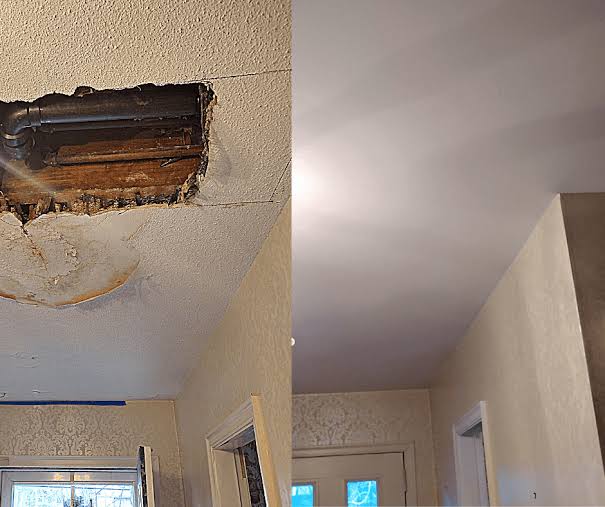
A damaged wall has a way of attracting attention, no matter how beautifully the rest of a room is decorated. It could be an accidental hole behind a door, a cracked section near a window, or an uneven patch left behind by a previous repair.
These imperfections can make an otherwise comfortable home appear neglected.
For homeowners throughout Dallas-Fort Worth, maintaining attractive interior surfaces is an important part of protecting property appeal and everyday comfort. Fortunately, restoring damaged walls doesn’t always require extensive remodeling or complete drywall replacement.
With suitable repair techniques, quality materials, and careful finishing, many imperfections can be corrected effectively. The key is understanding the nature of the damage and choosing professionals who prioritize both appearance and lasting workmanship.
Meeting the Drywall Repair Needs of Dallas-Fort Worth Homeowners
Homes across North Texas experience seasonal temperature fluctuations, changing moisture conditions, and ordinary wear associated with everyday living. These factors can contribute to various interior maintenance concerns, including damaged walls and visible cracks.
Professional drywall repairs in Dallas-Fort Worth can help homeowners restore affected surfaces through appropriate patching, joint repairs, panel replacement, and detailed finishing.
Imagine preparing your home for a family gathering when you suddenly notice several dents and cracks along the hallway walls. These imperfections might have developed gradually, but they become considerably more noticeable when you’re expecting visitors.
An experienced repair professional can assess affected areas and recommend suitable restoration techniques based on the condition of the existing materials.
Small dents and nail holes may require relatively straightforward repairs. Larger openings or deteriorated sections could demand additional preparation and replacement materials.
However, recurring cracks accompanied by sticking doors or uneven flooring may indicate underlying foundation movement that requires specialist assessment.
Addressing these concerns before cosmetic restoration helps homeowners avoid repeatedly repairing the same damaged areas.
Restoring Damaged Surfaces Rather Than Simply Covering Them
There’s a considerable difference between hiding a damaged wall and properly restoring it. Applying paint over visible imperfections might provide temporary improvement, but it rarely addresses the original problem.
Effective drywall damage restoration involves identifying the cause of deterioration, removing compromised materials where necessary, and rebuilding affected surfaces to achieve a consistent finish.
Accidental impacts are among the most common reasons walls require attention. Furniture movement, improperly mounted accessories, and door handles striking nearby surfaces can leave noticeable damage.
Moisture-related deterioration presents a different challenge.
A leaking pipe or damaged roof may cause drywall to become discolored, swollen, or soft. In these situations, the moisture source must be corrected before restoration begins.
Significantly damaged materials may require removal and replacement, while suspected mold growth could require professional remediation.
Careful assessment helps determine which portions of the wall can be preserved and which need replacing.
The objective is to restore both the condition and appearance of the affected area without introducing unnecessary expenses.
Sometimes, preserving undamaged materials can make restoration considerably more economical than replacing an entire wall.
Repairing Unsightly Sheetrock Holes With Precision
Removing an old television mount, relocating shelves, or accidentally striking a wall while moving furniture can leave behind frustrating openings.
Although smaller holes might seem easy to correct, achieving a smooth, nearly seamless finish requires appropriate materials and practical experience.
Professional sheetrock hole repair services help restore damaged areas using techniques suited to the size, depth, and location of each opening.
Minor nail holes may require suitable filling compounds, while larger openings often need backing support and carefully fitted replacement drywall.
Once the damaged area has been restored, additional finishing steps help create a smooth transition between the patch and surrounding surface.
These steps may include applying joint compound, allowing adequate drying time, sanding, and matching existing wall textures.
Imagine repairing a large hole in a bedroom wall only to discover that the patched section remains clearly visible beneath fresh paint.
Proper preparation and finishing can help prevent that disappointing result.
Priming repaired surfaces is also important because new patching materials may absorb paint differently from existing wall finishes.
The goal is to achieve a natural-looking surface that complements the rest of the room.
Recognizing When Your Interior Walls Need Attention
Drywall problems aren’t always limited to obvious holes or accidental damage. Some imperfections develop gradually and become noticeable only under certain lighting conditions.
Common signs that professional restoration may be worthwhile include:
- Visible dents and holes from everyday household activities.
- Cracks developing around windows and door frames.
- Peeling or raised drywall joint tape.
- Damaged wall corners and uneven surfaces.
- Discolored patches caused by moisture exposure.
- Rough or inconsistent finishes from previous repairs.
Prioritize unexplained moisture damage, expanding cracks, and weakened wall or ceiling materials before undertaking decorative improvements.
Older wall compounds and textured finishes may also require hazardous-material assessment before sanding or removal.
Why Texture Matching and Painting Matter
Restoring damaged drywall is only part of achieving an attractive result. The repaired section must also blend with the surrounding surface.
Textured walls can be particularly challenging because differences in pattern, thickness, and finish may become noticeable after painting.
An experienced professional can evaluate the existing texture and select appropriate finishing techniques.
Sometimes, repainting an entire wall rather than just the repaired patch produces a more consistent appearance, especially when the original paint has faded over time.
Discuss your desired finish and ask whether priming, texture matching, and painting are included in the repair estimate.
Protecting Your Investment Through Preventive Care
Once restoration is complete, simple precautions can help preserve your walls.
Installing doorstops, using suitable mounting hardware, and taking care when moving furniture can reduce accidental damage.
Address plumbing leaks and recurring moisture stains promptly to prevent further deterioration.
Regular attention to these smaller concerns may help reduce future restoration expenses.
Enjoying Beautiful, Well-Maintained Interiors Again
Smooth, carefully restored walls can make an entire room feel brighter, cleaner, and more inviting.
For Dallas-Fort Worth homeowners, professional drywall restoration offers a practical opportunity to refresh existing interiors without committing to expensive renovations.
By addressing underlying problems, choosing suitable materials, and investing in careful workmanship, you can restore your property’s appearance while preserving its character.
After all, beautiful interiors begin with well-maintained surfaces. Sometimes, repairing those overlooked imperfections is enough to make your home feel wonderfully refreshed again.