
What Happens When You Stop Ignoring Your Home’s Water
There’s a point—usually subtle—when you start noticing your water more than you used to. Not in a dramatic way. It’s not like something breaks or suddenly turns brown. It’s quieter than that.
Maybe your shower doesn’t feel as refreshing. Maybe your dishes come out with faint spots, no matter how carefully you wash them. Or maybe it’s just a general sense that something could be… better.
I remember brushing it off at first. Water is water, right? But over time, those small things kept showing up. And eventually, curiosity got the better of me.
The Difference Between “Working” and “Working Well”
Most homes have water that technically works. It flows, it’s treated, it’s usable. But there’s a gap between something that works and something that works well.
And that gap becomes noticeable when you start paying attention.
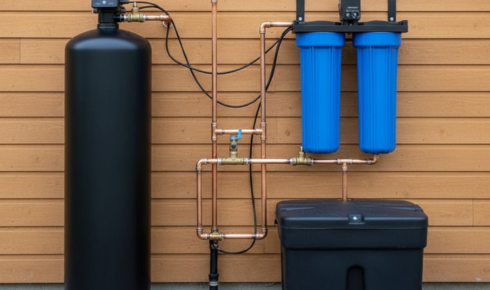
That’s where whole home filtration systems begin to make sense. Instead of focusing on just one tap—like the kitchen sink—they treat water as it enters your home. Every faucet, every shower, every appliance gets the same level of care.
It’s not about making a big statement. It’s about consistency.
You don’t have to think about which tap is “better” or where the water tastes cleaner. It just feels the same everywhere.
The Little Things Floating Around
One of the most overlooked aspects of water is what you can actually see, if you look closely enough. Tiny particles, bits of sediment—things that aren’t always harmful, but definitely noticeable.
Sometimes it’s a slight cloudiness. Sometimes it’s residue left behind in sinks or bathtubs.
That’s where sediment removal plays its role. It’s a basic step, but an important one. Clearing out those visible particles makes water feel cleaner, even before you get into more advanced filtration.
And honestly, there’s something satisfying about that clarity. It’s simple, but it changes how you perceive your water.
When Water Affects More Than You Think
Water doesn’t just stay in pipes—it interacts with everything in your home. Your appliances, your clothes, your skin.
And if your water isn’t balanced properly, those interactions start to show.
Hard water, for example, can leave buildup over time. Soap doesn’t lather the way it should. Hair feels different after washing. Even your washing machine might start working a little harder than necessary.
That’s why water softening compatibility becomes part of the conversation. It’s not just about filtering water—it’s about making sure all your systems work together.
When filtration and softening align properly, everything feels smoother. Literally and figuratively.
It’s Not About Fixing Everything at Once
One thing I learned pretty quickly is that you don’t need to tackle every water issue all at once. That can feel overwhelming—and unnecessary.
Instead, it’s more about identifying what’s actually affecting your home.
Maybe it’s visible particles. Maybe it’s mineral buildup. Maybe it’s just a general inconsistency in how your water behaves.
Start there.
Small adjustments can lead to noticeable improvements. And once you see the difference, it becomes easier to decide what to do next.
The Quiet Impact on Daily Life
What surprised me most wasn’t the big changes—it was the small ones.
Showers that felt more comfortable. Dishes that looked cleaner without extra effort. Even the way my home felt overall—less maintenance, fewer little annoyances.
These aren’t things you notice immediately. But over time, they add up.
And they change how you experience your space.
A Home That Works With You
We often think of home improvements in terms of what we can see. New furniture, fresh paint, updated lighting.
But some of the most important improvements happen behind the scenes.
Water is one of those things.
When it’s working properly, you don’t think about it. You just go about your day. But when it’s not quite right, even in small ways, it starts to affect everything else.
The Balance Between Awareness and Simplicity
It’s easy to fall into the trap of overthinking. To feel like you need to understand every detail, every system, every option.
But you don’t.
Improving your water is more about awareness than expertise. Paying attention to how it feels, how it behaves, how it fits into your daily routine.
And then making simple, practical choices based on that.
Closing Thought
You don’t need perfect water. That’s not the goal.
You just need water that works for your home, your needs, your lifestyle.
And sometimes, all it takes is a bit of attention to realize that things could be better—and a small step to start moving in that direction.
Because when your water feels right, everything else seems to follow.