
When Your Dishwasher Throws a Fit: A Real-World Guide to Getting It Back on Track
Let’s be honest—nobody dreams of spending their evening elbow-deep in murky water and soggy pasta bits. But here you are, staring down your dishwasher like it just betrayed you (because it kind of did). That quiet, dependable appliance that’s been saving you from dishpan hands is now backed up and humming a sad tune. Don’t panic. You’re not alone, and this isn’t the end of your domestic bliss. Let’s dive into what might be going on and how you can (maybe) fix it without calling in the cavalry—yet.
That Dreaded Pool of Water
First, let’s identify the enemy. You open the dishwasher and see standing water at the bottom. Ugh. Classic. That’s your cue something’s clogged or blocked. But don’t jump straight to Googling “dishwasher apocalypse 101”. It might be a simple fix.
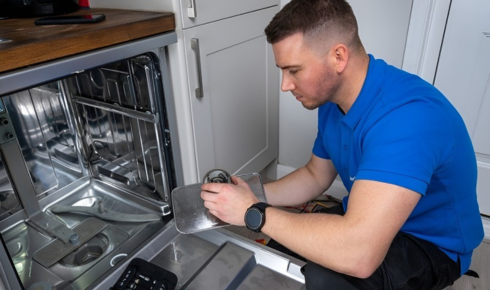
Start by checking the drain basket at the bottom of the machine. Food debris, small bones, glass shards—anything can build up and block water from draining properly. If you see gunk, gloves up. Remove the filter if your model has one (most newer ones do) and give it a good rinse under warm water. You might be amazed—and slightly disgusted—by what comes out. But this is often the first step toward a clogged dishwasher fix that doesn’t require a technician.
The Sneaky Culprit: The Garbage Disposal
If your dishwasher is connected to your kitchen sink’s garbage disposal, here’s something that surprises a lot of folks: it can be the source of the backup. When the disposal is clogged or the knockout plug hasn’t been removed (especially if it’s a new install), your dishwasher’s waste water has nowhere to go. It loops back like an annoyed pet and settles in the bottom of your appliance.
Quick test: Run the disposal for 30 seconds with cold water. If water backs up in the sink or drains slowly, you’ve found your blockage. Clear it, and that might be the only magic trick you needed.
The Hose Knows
There’s also the drain hose—the small pipe that ferries water out of the dishwasher and into your plumbing system. It can get kinked, clogged, or even disconnected (pets and curious kids, anyone?). If you’re handy and don’t mind sliding your dishwasher out a bit, check it. Sometimes a thorough flush with water or vinegar is all it needs.
Just make sure to turn off the power before poking around too much. Dishwashers + electricity + water = not a great party.
When It’s Time to Call In the Pros
Let’s say you’ve tried all the above, and it’s still not working. Or maybe you’re just not into the DIY thing, and that’s totally valid. Not everyone wants to be the appliance whisperer.
That’s where professional help comes in—and not just any help. You want someone who knows the ins and outs of local conditions, water hardness, and brand quirks. If you’re in Alabama, for instance, you’re better off calling a trusted Alabama dishwasher service than rolling the dice on a generic national hotline that’ll leave you on hold for half your lunch break.
Local technicians usually respond faster and understand the kinds of issues common in your region. Plus, they’ve probably fixed a machine just like yours in the same neighborhood last week.
The Repair vs Replace Dilemma
This part’s never fun. If your dishwasher is over 10 years old and keeps acting up, you’ll eventually wonder: Is it even worth fixing?
Look at it like an old car. If the cost of repairs is half (or more) the cost of a new one, replacement might make more sense in the long run. Newer models are quieter, more energy-efficient, and come with features like soil sensors and half-load cycles. (Translation: Your midnight pizza plate and coffee mug won’t feel guilty anymore.)
Still, before ditching your machine entirely, get a repair quote. Sometimes the issue is minor—like a faulty float switch or a jammed pump—and a residential dishwasher repair expert can get it running again with a single part swap.
A Bit of Prevention, Because We’re All Grown-Ups Now
You know that saying: “An ounce of prevention is worth a pound of soggy bowls”? Okay, maybe I just made that up, but it’s true.
Here are a few habits that’ll keep your dishwasher humming happily:
- Scrape, don’t rinse: Modern dishwashers are built to handle some grime. Rinsing can fool the sensors and waste water. But do scrape off large bits of food before loading.
- Run hot water before starting the cycle: It helps the dishwasher start with hot water right away, improving cleaning performance.
- Clean the filter monthly: Just do it. Set a reminder. Your future self will thank you.
- Use dishwasher-safe detergent only: Those hand-wash liquids can cause way too many bubbles, and yes—overflow.
- Don’t overload: No matter how tempting, stuffing that last mug in there usually means something won’t get cleaned—or might block the spray arms.
Let’s Wrap It Up (With Clean Dishes Hopefully)
Dealing with a malfunctioning dishwasher can feel like an attack on your sanity, especially after a long day. But like most household mishaps, it’s fixable—either by you or a trusted local expert. Don’t be afraid to roll up your sleeves, but also don’t hesitate to call someone who fixes these machines for a living. You’ve got better things to do, like finally binge-watching that show everyone’s been raving about while your dishes get cleaned the way they’re supposed to.
One last thing: If your dishwasher is working again, give it a little thank-you pat. Okay, maybe don’t. But hey—if it keeps your dinner plates clean and your evenings drama-free, that’s worth a quiet moment of appreciation, right?