
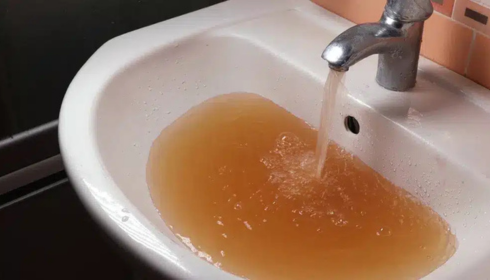
Why Is My Hot Water Cloudy? A Down-to-Earth Look at That Foggy Sink Mystery
Let’s paint the picture. You turn on the tap, fill your glass, and there it is — that weird, milky swirl in your hot water. Not exactly what you expect when you’re just trying to make tea or rinse dishes.
Naturally, your brain goes to all the places: Is this safe? Is something broken? Is it the pipes? And yet, cold water? Crystal clear. No drama.
So what gives? Why is the hot side always the one pulling the foggy act? If your hot water foggy, you’re not alone — and honestly, it’s usually not as serious as it looks. But sometimes, it does need a little attention.
Let’s break it all down without the techy overload. Just honest answers, like you’re chatting with a neighbor over the fence.
The Quick Answer: It’s Probably Just Air
Yep. Air.
Sounds underwhelming, right? But the truth is, in most cases, cloudy or milky hot water happens because of tiny air bubbles trapped in the water. These bubbles form when water is heated — because hot water holds less dissolved gas than cold — and then rapidly released as it comes out of the tap.
The result? A cloudy appearance that fades in a few seconds. If you’ve ever let a glass of hot water sit and watched it clear up from the bottom to the top — that’s your clue. It’s not dirt. It’s not chemicals. It’s physics.
So if the kitchen sink hot water is cloudy, but clears up quickly and has no odor or taste, you’re likely in the clear.
But Just in Case… What Else Could Be Going On?
Okay, let’s say the cloudiness sticks around a little longer. Or maybe it smells off, or the water leaves residue on your glassware. That’s when it’s worth digging deeper.
So, what makes hot water cloudy aside from air bubbles?
Here are some possible suspects:
- Sediment buildup in the water heater: Over time, minerals like calcium and magnesium settle in your tank, especially if you’ve got hard water. They can stir up when water is heated and pushed out through your pipes.
- Aging or corroded pipes: Especially in older homes, galvanized steel or iron pipes can rust on the inside, releasing particles into the hot water.
- Water heater issues: Components like the anode rod (which prevents rust) can deteriorate, causing discoloration or cloudy water.
- Sulfur bacteria: Not common, but worth mentioning. These bacteria can live in warm water and create a foul “rotten egg” smell. It’s more gross than dangerous — but still not something you want to ignore.
So if that cloudiness isn’t going away in 30–60 seconds? Time to investigate a little further.
The Kitchen Sink Test: Your Simple At-Home Experiment
Here’s a quick and easy way to check what’s really going on:
- Fill a clear glass with hot water from your tap.
- Set it on the counter and watch.
- If the cloudiness rises and clears from the bottom up in less than a minute? That’s air. No worries.
- If it stays murky, has a smell, or leaves particles at the bottom? That’s your sign to dig deeper.
This test is especially helpful when your kitchen sink hot water is cloudy, but you’re unsure whether it’s just cosmetic or a sign of something brewing behind the scenes.
Common Situations and What to Do
- Short-Term Cloudiness, No Smell: Just air. Completely safe.
- Persistent Cloudiness, Some Smell: Flush your water heater. If the smell reminds you of eggs, check for bacteria or sulfur buildup.
- Grit or Residue: Sediment may be the issue. Consider flushing the tank and checking your plumbing.
- Only Hot Water Affected: Focus on your heater. If both hot and cold are cloudy, it might be a municipal issue or a whole-home plumbing concern.
Preventive Measures to Keep Cloudiness at Bay
Want to stop worrying about cloudy water before it starts? Here’s what helps:
- Flush your water heater annually – Clears out built-up sediment before it causes problems.
- Install a water softener if you live in a hard water area — this reduces mineral buildup.
- Check and replace the anode rod every few years — it protects your tank from corrosion.
- Keep an eye on old plumbing – If your pipes are original to a 1950s home, it may be time to get them inspected.
None of these are crazy expensive or complicated. A little maintenance goes a long way.
What If You’re Still Not Sure?
If your water seems off and you’re tired of guessing, it’s perfectly fine to call a plumber or get a basic water test. These tests can check for metals, bacteria, and minerals that might be affecting your water quality — and your peace of mind.
Because let’s be real: we use hot water every single day. Showers, dishes, hand washing, tea. If something doesn’t feel right about it, trust your gut and get it checked out.
Final Thoughts: Cloudy Doesn’t Always Mean Contaminated
The next time your hot water turns milky, don’t freak out. Nine times out of ten, it’s just the water breathing a little — releasing tiny air bubbles as it moves from heater to tap. Kind of cool, actually, if you think about it.
But if it lingers, stinks, or stains? Don’t ignore it. A quick flush, a simple fix, or a call to your plumber could get things back on track without too much hassle.