
There’s something reassuring about filling a glass straight from the kitchen tap and knowing your water tastes fresh. It’s a small part of the day, but it happens again and again—when you make coffee, prepare dinner, fill a reusable bottle, or offer someone a glass of water. When the taste is unpleasant or you’re unsure about water quality, even these simple routines can become less convenient than they should be.
For many households, improving tap water starts with understanding what is actually in the supply. Some people want to reduce chlorine taste, while others have concerns about dissolved minerals or particular contaminants. The right solution depends on those needs, and it doesn’t always require an elaborate setup.
Modern filtration equipment offers several ways to improve water at home. By understanding how the main technologies work, what they can and cannot do, and how to maintain them, you can make a decision that feels practical rather than overwhelming.
Start With Your Water Quality
Before purchasing a filter, take a closer look at your existing water supply. If you receive municipal water, your local water provider may publish a water quality report that explains the treatment process and lists monitored substances. This can provide useful background, although it may not reflect changes that occur inside your home’s plumbing.
Private well owners have a different responsibility. Well water can vary with local geology, rainfall, nearby agricultural activity, and other environmental conditions. Regular testing through a qualified laboratory is important because some contaminants cannot be detected through taste, smell, or appearance alone.
It’s also useful to identify what bothers you most. Does your water have a chlorine-like aftertaste? Are mineral deposits appearing around the faucet? Have you received test results showing a substance that needs attention? Each concern points toward a different type of treatment.
For example, a carbon filter may help with certain tastes and odours, while a water softener is designed to address hardness minerals. If testing identifies a particular contaminant, you’ll need equipment that has been shown to reduce that substance under appropriate conditions.
Starting with reliable information helps prevent unnecessary spending. Rather than buying a system based on a broad advertising claim, you can focus on equipment suited to your water.
How Reverse Osmosis Works
When homeowners want to reduce a range of dissolved substances in their drinking supply, reverse osmosis systems are often among the options they consider. These systems use pressure to push water through a semipermeable membrane, separating much of the water from many dissolved impurities.
Depending on the design and its verified performance, reverse osmosis can reduce substances such as certain dissolved salts, lead, arsenic, and nitrate. The exact reduction varies by product and operating conditions, so it’s important to check the manufacturer’s performance data for the contaminants relevant to your household.
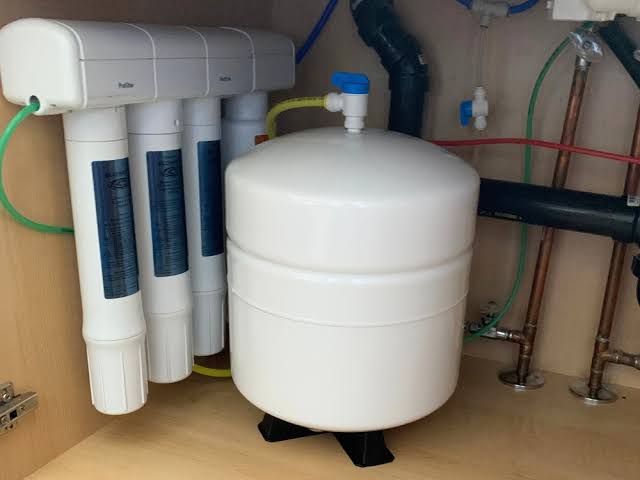
Many residential units are installed beneath the kitchen sink and connected to a separate drinking-water faucet. This keeps the equipment out of sight while making treated water available for drinking, cooking, and preparing hot beverages. Some models use a storage tank, while others are designed to operate without one.
There are trade-offs to consider. Reverse osmosis membranes require maintenance and eventual replacement, and many systems send some water to the drain during filtration. Water efficiency varies between models. Some systems also include additional stages, such as carbon filters, to improve taste or protect the membrane.
Reverse osmosis isn’t necessary for every home. If your main concern is a mild chlorine taste, a simpler filter may be adequate. A system should be selected because its performance matches your water quality needs, not simply because it uses advanced technology.
Why Taste and Everyday Convenience Matter
Water quality is about more than a laboratory report. Taste and convenience influence whether people drink tap water regularly or keep reaching for bottled alternatives. A glass that tastes pleasant is more appealing, especially when you’re trying to make water a natural part of your daily routine.
The term drinking water can refer to water intended for consumption, but the standard of quality needed depends on its source and intended use. Water that looks clear and tastes fine is not automatically free from harmful contaminants. Equally, a noticeable taste does not necessarily mean the water is unsafe. Testing and reliable information are more useful than assumptions in either direction.
If your goal is to reduce bottled-water purchases, consider how much water your household uses each day. A small household may be comfortable with a basic filter, while a larger family may benefit from a system with higher capacity and convenient access. Flow rate, filter life, and replacement costs all affect how well a product fits daily life.
It’s worth thinking about the little details, too. Is there enough room under the sink? Will you remember to change the cartridges? Can replacement parts be purchased easily? These questions may seem minor, but they often determine whether a filtration system remains convenient months after installation.
Getting Clean Water From the Tap
For many people, the main attraction of a home filtration system is being able to fill a glass without making a separate trip to the store or keeping bulky bottles in the refrigerator. A properly selected and maintained filter can make that routine simpler.
The goal of having clean, purified water right at the tap begins with choosing a system that addresses the actual water concern. Activated carbon filters can reduce chlorine taste and odour, along with certain other substances when the product is designed and certified for those reductions. Reverse osmosis can reduce a wider range of dissolved substances, while ultraviolet treatment may be appropriate for specific microbiological concerns when correctly installed and maintained.
These technologies aren’t interchangeable. A carbon filter does not automatically remove dissolved salts, and ultraviolet treatment does not remove chemicals or minerals. Some homes may need a combination of technologies, while others can meet their goals with one straightforward device.
Check the product’s certification and performance documentation before buying. Look for information that names the substances the system has been tested to reduce. Broad promises such as “removes everything” should be treated cautiously because no single residential filter addresses every possible water quality issue.
Maintenance Is Part of the Process
Even a well-designed filtration system needs routine care. Filter cartridges have limited service lives, and reverse osmosis membranes can lose effectiveness or require replacement over time. Ignoring maintenance may reduce performance and can create avoidable problems.
Before installation, ask for a maintenance schedule and an estimate of replacement costs. Find out which parts need regular attention, whether you can change them yourself, and whether professional servicing is recommended. Keep a record of replacement dates so you don’t have to rely on memory.
Pay attention to unexpected changes in water taste, smell, colour, or flow. Such changes do not necessarily indicate a serious issue, but they are worth investigating. If contamination is suspected, arrange appropriate testing and follow advice from your water provider or local public health authority rather than assuming the filter will resolve it.
Choose a System That Fits Your Home
The best water filtration system is the one that addresses your specific needs and remains easy to use. Start with reliable water quality information, compare technologies carefully, and consider the full cost of ownership rather than only the initial purchase price.
Ask providers to explain what their equipment is designed to reduce, how that performance is verified, and what maintenance will be required. Be cautious about unsupported health claims or pressure to buy a more complex system than your situation calls for.
Better water doesn’t have to mean a complicated home project. With the right information and realistic expectations, you can choose a practical solution that makes everyday routines easier. And sometimes, that simple convenience—a fresh glass of water whenever you need it—is exactly what a good home water system should provide.